
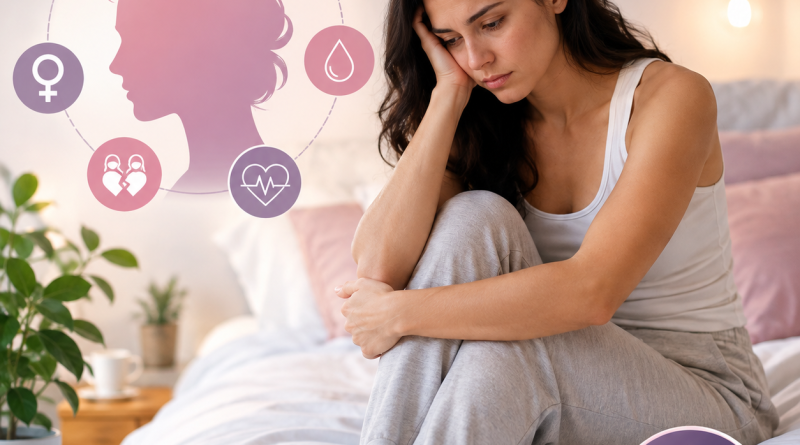
“Why Has My Sexual Desire Suddenly Decreased? 7 Possible Reasons”
A sudden decrease in sexual desire can be confusing or worrying, especially when it feels different from your usual pattern. Changes in libido are common and can happen at any age. Often, there is more than one contributing factor.
Here are 7 possible reasons why sexual desire may suddenly decrease.
1. Stress and Emotional Pressure
Work, financial concerns, relationship problems, family responsibilities, and ongoing stress can reduce sexual interest.
When the mind is focused on stress, intimacy may become less of a priority. Finding time to relax, communicate openly, and address sources of stress may help.
2. Hormonal Changes
Hormones can influence sexual desire. Changes associated with the menstrual cycle, pregnancy, breastfeeding, perimenopause, and menopause may affect libido.
Some women may also experience vaginal dryness or discomfort during hormonal changes, which can further reduce interest in sex.
3. Poor Sleep and Fatigue
Not getting enough quality sleep can affect mood, energy, and overall well-being. When you are constantly tired, sexual desire may naturally decrease.
A consistent sleep schedule and adequate rest can support overall sexual and physical health.
4. Medications
Some medicines can affect sexual desire or sexual function. This may include certain medications used for depression, blood pressure, and other health conditions.
Do not stop prescribed medication on your own. If you notice a change in libido after starting or changing a medicine, discuss it with your healthcare professional.
5. Relationship or Emotional Factors
Emotional closeness, communication, trust, unresolved conflicts, and relationship satisfaction can all influence sexual desire.
Open, non-judgmental communication with your partner can sometimes help identify concerns that may be affecting intimacy.
6. Health Conditions
Some medical conditions can contribute to reduced sexual desire, including:
- Thyroid problems
- Diabetes
- Anemia
- Depression or anxiety
- Chronic illnesses
- Hormonal disorders
- Persistent pain
If the change is sudden, persistent, or unexplained, a healthcare professional can help determine whether an underlying health issue is contributing.
7. Pain or Sexual Discomfort
Sexual desire may decrease when intimacy is associated with pain, vaginal dryness, irritation, or discomfort.
Pain during sex is not something you simply have to tolerate. Identifying and treating the underlying cause may improve comfort and sexual well-being.
When Should You Seek Medical Advice?
Consider speaking with a healthcare professional if:
- Your reduced desire is sudden or persistent.
- It is causing distress or affecting your relationship.
- You have pain during sex.
- You have significant vaginal dryness or other new symptoms.
- You recently started or changed medication.
- You have other symptoms such as fatigue, menstrual changes, mood changes, or unexplained weight changes.
The Bottom Line
A decrease in sexual desire does not necessarily mean something is seriously wrong. Stress, hormones, sleep, medications, relationships, health conditions, and sexual discomfort can all play a role.
Understanding the possible cause is the first step toward finding an appropriate solution.
For more women's health information, visit:
www.cashbackhospitalandlab.com
This article is for general educational purposes and does not replace personalized medical advice.