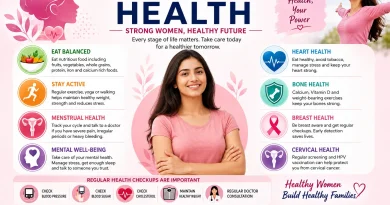
Gynaecology: Essential Women’s Health Information
Gynaecology is the branch of healthcare focused on the female reproductive system and related health concerns. Regular attention to gynaecological health can help identify problems early and support women through different stages of life.
🌸 Common Areas of Gynaecological Care
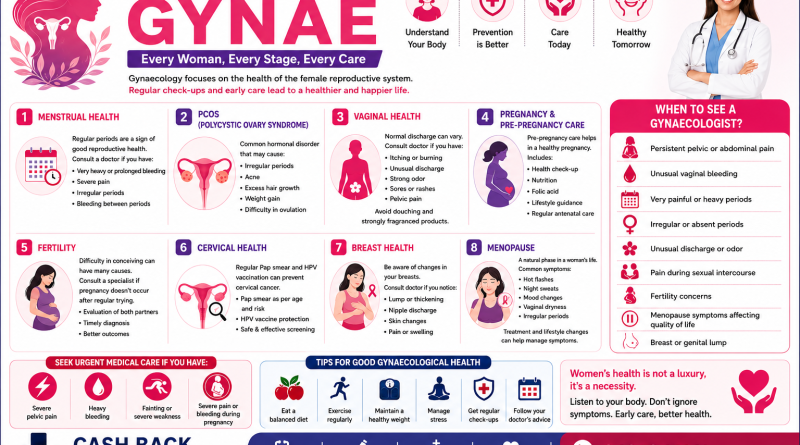
1. Menstrual Health
Periods can vary from woman to woman. A healthcare professional should evaluate symptoms such as:
- Very heavy or prolonged bleeding
- Severe menstrual pain
- Very irregular periods
- Periods stopping unexpectedly
- Bleeding between periods
2. PCOS
Polycystic Ovary Syndrome (PCOS) is a common hormonal condition that may be associated with irregular periods, acne, increased facial or body hair, difficulty with ovulation and metabolic problems.
PCOS can affect women differently and should be assessed by a healthcare professional.
3. Vaginal Health
Normal vaginal discharge can change during the menstrual cycle. Persistent itching, burning, unusual discharge, strong odor, sores or pelvic pain should be evaluated.
Avoid douching and strongly fragranced intimate products, which can irritate the genital area.
4. Pregnancy and Pre-Pregnancy Care
Women planning pregnancy can benefit from a preconception consultation. A healthcare professional may review:
- Existing medical conditions
- Medicines and supplements
- Vaccinations
- Nutrition
- Lifestyle
- Folic acid supplementation
Regular prenatal care is important once pregnancy occurs.
5. Fertility
Difficulty becoming pregnant can have many causes involving either partner. If pregnancy has not occurred after an appropriate period of trying, a fertility evaluation may be recommended.
6. Cervical Health
Cervical cancer screening can detect precancerous changes before they become cancer. HPV vaccination can also reduce the risk of HPV-related cancers.
Women should follow screening recommendations appropriate for their age and individual risk.
7. Breast Health
Women should be familiar with their normal breast appearance and feel. Seek medical advice for a new lump, unusual nipple discharge, skin changes or other persistent changes.
Recommended breast screening depends on age and individual risk.
8. Menopause
Menopause is a natural stage of life. Symptoms may include:
- Hot flashes
- Night sweats
- Sleep difficulties
- Mood changes
- Vaginal dryness
- Changes in menstrual periods
If symptoms affect daily life, discuss treatment and management options with a healthcare professional.
🩺 When Should You See a Gynaecologist?
Consider seeking professional advice for:
- Persistent pelvic or abdominal pain
- Unusual vaginal bleeding
- Very painful or heavy periods
- Irregular or absent periods
- Unusual vaginal discharge or odor
- Pain during sexual intercourse
- Fertility concerns
- Menopause symptoms affecting quality of life
- A new breast or genital lump
🚨 Seek Urgent Medical Care
Severe pelvic pain, heavy bleeding, fainting, severe weakness, or symptoms during pregnancy such as significant bleeding or severe abdominal pain require prompt medical evaluation.
❤️ Women's Health Is Preventive Health
Regular healthcare, healthy nutrition, physical activity, appropriate screening and early evaluation of unusual symptoms can help women maintain their health throughout life.
Don't ignore persistent symptoms. Early medical advice can make a difference.
Cash Back Hospital & Lab
Your Health. Your Care. Your Savings.
Disclaimer: This article is for general educational purposes only and does not replace professional medical advice, diagnosis or treatment.