Ayurveda for PCOS: Can Lifestyle Changes Help?
Ayurveda for PCOS: Can Lifestyle Changes Help?
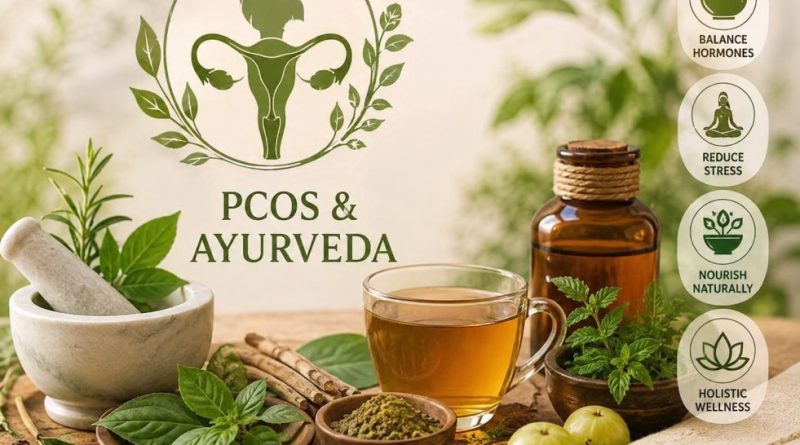
Polycystic Ovary Syndrome (PCOS) is a common hormonal and metabolic condition that can affect menstrual cycles, ovulation, fertility, weight, skin, and hair growth. Ayurveda approaches such concerns through individualized assessment, diet, daily routine, physical activity, stress management, and, when appropriate, herbal therapies.
Lifestyle modification is an important part of modern PCOS management, while Ayurvedic principles can provide a holistic framework for healthy daily living.
🌿 1. Ayurveda Emphasizes Healthy Living
Ayurveda considers appropriate food and lifestyle fundamental to maintaining health.
हिताहितं सुखं दुःखमायुस्तस्य हिताहितम् ।
मानं च तच्च यत्रोक्तमायुर्वेदः स उच्यते ॥
Meaning:
Ayurveda explains what is beneficial and harmful for life, what promotes happiness or suffering, and the appropriate measures for maintaining health.
This principle is particularly relevant to PCOS because long-term lifestyle habits can influence metabolic and reproductive health.
🌿 2. Choose a Balanced, Fresh Diet
Prefer fresh, minimally processed foods and include vegetables, pulses, whole grains, nuts, seeds, and adequate protein.
Reduce excessive intake of:
- Sugary foods and beverages
- Refined carbohydrates
- Highly processed foods
- Excessively fried foods
- Frequent unnecessary snacking
Ayurveda traditionally emphasizes appropriate food quantity and suitability to the individual.
आहारसम्भवं वस्तु रोगाश्चाहारसम्भवाः ।
हिताहितविशेषाच्च विशेषो रोगसङ्ग्रहे ॥
Meaning:
The body is sustained by food, and many disorders arise from food; therefore, the suitability or unsuitability of diet has an important role in health and disease.
🌿 3. Maintain Regular Physical Activity
Regular movement is highly valuable for people with PCOS.
Activities may include:
- Brisk walking
- Strength training
- Yoga
- Cycling
- Swimming
Consistency is more important than occasional intense exercise.
Ayurveda also recognizes Vyayama (physical exercise) as an important component of a healthy routine.
लाघवं कर्मसामर्थ्यं दीप्तोऽग्निर्मेदसः क्षयः ।
विभक्तघनगात्रत्वं व्यायामादुपजायते ॥
Meaning:
Proper exercise promotes lightness of the body, improves capacity for work, strengthens digestion, helps reduce excess adipose tissue, and contributes to firmness of the body.
🌿 4. Start the Day with a Healthy Routine
Ayurveda gives considerable importance to Dinacharya (daily routine).
ब्राह्मे मुहूर्ते उत्तिष्ठेत् स्वस्थो रक्षार्थमायुषः ।
Meaning:
A healthy person should rise during Brahma Muhurta for the preservation and promotion of health.
For modern life, the broader message is to maintain a regular daily routine, adequate sleep, morning activity, and healthy meal timing rather than focusing only on a particular clock time.
🌿 5. Manage Stress With Yoga and Meditation
Stress can influence sleep, appetite, physical activity, and overall wellbeing. Yoga, meditation, breathing exercises, and relaxation techniques can be incorporated into a PCOS-friendly lifestyle.
A simple routine could include:
- 10–15 minutes of breathing exercises
- Gentle yoga
- Meditation
- Regular outdoor walking
- Adequate relaxation
These practices should complement—not replace—appropriate medical care.
🌿 6. Give Importance to Healthy Sleep
Adequate and regular sleep is an important part of metabolic and hormonal wellbeing.
Avoid:
- Frequently changing sleep times
- Excessive late-night screen use
- Heavy meals immediately before bedtime
- Chronic sleep deprivation
Ayurveda recognizes Nidra (sleep) as one of the important supports of life and health.
🌿 7. Ayurvedic Herbs Should Be Individualized
Ayurvedic practitioners may consider herbs and formulations according to an individual's Prakriti, Vikriti, digestive status, menstrual pattern, metabolic health, and other symptoms.
However, herbal medicines should not be assumed to cure PCOS. Some products may interact with medications or may not be appropriate during pregnancy.
Always consult a qualified Ayurvedic physician or healthcare professional before starting medicinal herbs or formulations.
🌸 Can Ayurveda Cure PCOS?
PCOS is generally considered a long-term condition that can be effectively managed, rather than something that has a guaranteed permanent cure.
Ayurvedic lifestyle principles can complement evidence-based PCOS management by encouraging:
Balanced diet + regular exercise + healthy sleep + stress management + individualized care
The goal should be to improve overall metabolic and reproductive health rather than simply treating one symptom.
🚨 When Should You Consult a Doctor?
Medical evaluation is particularly important when there are:
- Very irregular or absent periods
- Difficulty conceiving
- Excessive facial/body hair
- Severe acne
- Significant unexplained weight changes
- Symptoms suggesting high blood sugar or other hormonal problems
🌿 Ayurvedic Takeaway
“स्वस्थस्य स्वास्थ्य रक्षणम्” — Preserving the health of the healthy — is one of Ayurveda's central principles.
For PCOS, a sustainable lifestyle based on appropriate food, regular movement, adequate sleep, stress management, and individualized professional care may provide a valuable holistic approach.
Important: The Sanskrit verses above represent broader Ayurvedic principles concerning health, diet, exercise, and daily routine; they should not be presented as ancient descriptions or cures for modern PCOS.