Solar eclipse: Eye health warning
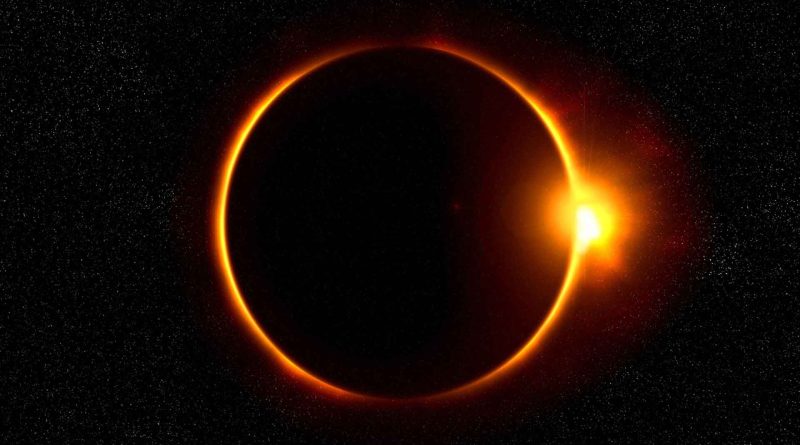
A solar eclipse is a spectacular natural event, but watching the Sun without proper eye protection can cause serious and potentially permanent retinal damage. Importantly, eye injury may occur without immediate pain or discomfort.
☀️ Why Is a Solar Eclipse Dangerous for Your Eyes?
During a partial or annular eclipse, part of the Sun remains visible. Even though the Sun looks less bright, the remaining sunlight can still be intense enough to injure the retina.
Possible symptoms after unsafe exposure include:
- Blurred or reduced vision
- A dark or blind spot in the center of vision
- Distorted vision
- Increased sensitivity to light
- Difficulty seeing clearly
🕶️ How to Watch a Solar Eclipse Safely
1. Use Certified Eclipse Glasses
Use specially designed solar-viewing glasses or a handheld solar viewer that complies with the ISO 12312-2 standard. Ordinary sunglasses, even very dark ones, are not safe for viewing the Sun.
2. Never Look Through a Camera or Telescope Without a Solar Filter
Do not look at the Sun through a camera, binoculars or telescope while wearing ordinary eclipse glasses. These devices concentrate sunlight and can cause severe eye injury.
Special-purpose solar filters must be securely fitted to the front of the optical equipment.
3. Check Your Eclipse Glasses
Before using solar viewers, inspect them carefully. Do not use glasses or viewers that are scratched, torn, punctured or damaged. Children should always be supervised.
4. Use Indirect Viewing
If you do not have appropriate solar-viewing glasses, an indirect method such as a pinhole projector can allow you to observe the eclipse without looking directly at the Sun.
🌑 What About a Total Solar Eclipse?
During a total solar eclipse, direct viewing without eye protection is safe only during the brief period of totality, when the Moon completely covers the Sun’s bright face.
Before and after totality, eye protection must be used. As soon as any part of the bright Sun becomes visible again, put your eclipse glasses back on.
For partial and annular eclipses, there is no safe period for direct viewing without proper solar eye protection.
🚨 When Should You See an Eye Specialist?
If you have looked directly at the Sun without proper protection and subsequently notice blurred vision, a blind spot, distorted vision or other changes in your eyesight, seek prompt evaluation from an eye-care professional.
Remember These 5 Safety Rules
☀️ Never stare directly at the Sun.
🕶️ Use proper ISO 12312-2 solar-viewing protection.
👓 Regular sunglasses are NOT eclipse glasses.
🔭 Never use eclipse glasses with binoculars or telescopes.
👁️ Do not ignore changes in your vision after unsafe solar exposure.
Protect Your Eyes. Enjoy the Eclipse Safely.
Cash Back Hospital & Lab is committed to providing useful health information to help individuals and families make informed healthcare decisions.
Your Health. Your Care. Your Savings.
Disclaimer: This article is for general educational purposes only and does not replace professional medical advice, diagnosis or treatment.
Source: NASA Eclipse Viewing Safety