Ayurveda for Fatty Liver: Diet & Lifestyle Tips
An Enhanced Ayurvedic Guide With Classical Shlokas, Ahara, Vihara & Daily Routine
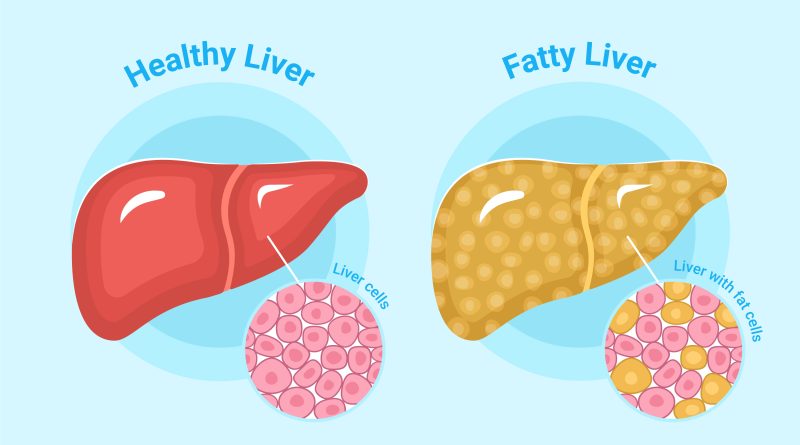
Fatty liver disease occurs when excess fat accumulates in the liver. Today, the common metabolic form is generally called metabolic dysfunction-associated steatotic liver disease (MASLD), previously known as non-alcoholic fatty liver disease (NAFLD). It is frequently associated with excess body weight, abdominal obesity, insulin resistance, type 2 diabetes, abnormal cholesterol or triglycerides, and inadequate physical activity.
Ayurveda does not describe modern MASLD as a single disease with a perfect one-to-one classical equivalent. Instead, an Ayurvedic physician may interpret the individual's presentation through concepts involving Agni, Ama, Meda Dhatu, Kapha-Pitta balance, Yakrit (liver), Srotas (body channels), diet and lifestyle.
1. Yakrit — The Liver in Ayurveda
The Sanskrit term commonly used for the liver is:
यकृत् — Yakrit
Ayurvedic literature recognizes the liver as an important internal organ and discusses it particularly in relation to Rakta (blood) and Ranjana processes.
Classical Ayurvedic physiology cannot simply be translated into modern hepatology, but the traditional importance assigned to Yakrit demonstrates that liver health has long occupied a significant place in Ayurvedic medicine.
For a modern person with fatty liver, the clinically important questions include:
- How much fat has accumulated?
- Is there liver inflammation?
- Is fibrosis developing?
- Is diabetes or insulin resistance present?
- Are triglycerides elevated?
- Is alcohol contributing?
- Are medications or another liver disorder involved?
Ayurvedic treatment should be considered only after these possibilities are appropriately evaluated.
2. Agni — The Foundation of Ayurvedic Metabolic Health
One of Ayurveda's most important concepts is Agni, representing digestion and transformation.
A widely cited Ayurvedic principle states:
अष्टाङ्गहृदय
रोगाः सर्वेऽपि मन्देऽग्नौ।
Meaning
Impairment of Agni is considered an important foundation in the development of disease.
In Ayurvedic reasoning, repeatedly eating excessive quantities of heavy food while living a sedentary lifestyle may disturb digestion and tissue metabolism.
For fatty liver, a practical modern interpretation is:
Improve diet quality, avoid chronic overeating, maintain appropriate meal portions and address the metabolic conditions contributing to liver-fat accumulation.
This is more useful than attempting extreme cleanses.
3. Ama and Fatty Liver — An Important Distinction
Ayurveda uses the term Ama for incompletely processed or improperly transformed material arising in the context of impaired Agni.
Online wellness information sometimes claims:
“Fatty liver is caused by Ama.”
That statement is too simplistic.
Ama is a classical Ayurvedic concept, not a biomedical substance that can be measured as liver fat or a laboratory toxin.
A responsible interpretation is that Ayurvedic management seeks to optimize digestion and metabolic function while modern medicine identifies and treats the actual causes and consequences of hepatic fat accumulation.
4. Meda Dhatu and Fat Accumulation
Meda Dhatu represents adipose/fat tissue within Ayurveda's classical tissue framework.
Excessive Meda is particularly relevant when fatty liver occurs alongside:
central obesity, insulin resistance, high triglycerides or type 2 diabetes.
Charaka describes excessive adiposity with the following important verse:
चरक संहिता, सूत्रस्थान 21
मेदोमांसातिवृद्धत्वाच्चलस्फिगुदरस्तनः।
अयथोपचयोत्साहो नरोऽतिस्थूल उच्यते॥
Meaning
A person with excessive increase of Meda and Mamsa, producing disproportionate accumulation particularly around areas including the abdomen, together with reduced enthusiasm or activity, is described as Atisthula.
Although this verse describes Atisthaulya rather than fatty liver specifically, its emphasis on excessive Meda is relevant when metabolic fatty liver occurs in the setting of obesity.
5. Lifestyle Factors Behind Excess Meda
Ayurvedic literature places considerable emphasis on inactivity and over-nourishment.
A classical principle describes factors such as:
चरक संहिता
अव्यायामाद्दिवास्वप्नान्मेद्यानां चातिभक्षणात्।
Meaning
Excessive Meda accumulation is traditionally associated with:
Avyayama — insufficient physical activity
Divaswapna — excessive daytime sleeping
Medyanaam Atibhakshana — excessive intake of nourishing/Meda-promoting foods
This provides a valuable lifestyle message for metabolic fatty liver.
Regular movement and appropriate energy intake matter.
6. Ayurveda Does Not Recommend Starvation
A common mistake is believing that Ayurvedic weight or liver management requires severe fasting.
Charaka provides a more nuanced principle:
चरक संहिता
गुरु चातर्पणं चेष्टं स्थूलानां कर्शनं प्रति॥
Meaning
For reducing excessive corpulence, an approach that provides adequate satisfaction while avoiding excessive nourishment is considered desirable.
In practical terms:
Choose foods that are filling and nutritious without making the diet excessively energy-dense.
This may include:
- vegetables,
- pulses,
- adequate protein,
- appropriately portioned whole grains,
- whole fruits, and
- minimally processed foods.
The goal is sustainable metabolic improvement—not chronic hunger.
7. Vyayama — Exercise as Ayurvedic Medicine
Few Ayurvedic lifestyle teachings are as relevant to fatty liver as the classical description of Vyayama (exercise).
अष्टाङ्गहृदय, सूत्रस्थान
लाघवं कर्मसामर्थ्यं दीप्तोऽग्निर्मेदसः क्षयः।
विभक्तघनगात्रत्वं व्यायामादुपजायते॥
Meaning
Appropriate exercise promotes:
लाघवम् — lightness
कर्मसामर्थ्यम् — greater capacity for physical activity
दीप्तोऽग्निः — healthy digestive/metabolic function
मेदसः क्षयः — reduction of excessive Meda
विभक्तघनगात्रत्वम् — improved firmness and conditioning of the body
For metabolic fatty liver, regular physical activity is one of the most important lifestyle interventions.
8. How Much Exercise?
A practical target for many adults is approximately:
150–300 minutes of moderate aerobic activity each week
Examples include:
- brisk walking,
- cycling,
- swimming,
- jogging where appropriate,
- dancing, or
- other sustained aerobic exercise.
Add resistance/strength training at least twice weekly when medically appropriate.
People who have been inactive can start with shorter sessions and gradually increase duration.
Consistency matters more than occasional extreme workouts.
9. Weight Loss and Fatty Liver
For someone with overweight or obesity, gradual weight reduction can meaningfully improve liver fat.
Even relatively modest sustained weight loss may improve metabolic parameters, while greater clinically appropriate weight loss can sometimes produce larger improvements in liver inflammation and other risk factors.
Avoid:
crash diets, prolonged unsupervised fasting, laxatives, “liver flushes” and rapid-weight-loss supplements.
These are not necessary for treating fatty liver and may create additional problems.
10. Ayurvedic Ahara — What Should You Eat?
Ayurveda considers Ahara (food) one of the fundamental supports of health.
A fatty-liver-friendly Ayurvedic-inspired diet should emphasize food quality, quantity and regularity.
The foundation can include:
Vegetables
Aim for a wide variety, particularly:
- leafy greens,
- gourds,
- cabbage,
- cauliflower,
- broccoli,
- okra,
- beans,
- brinjal,
- carrots,
- cucumber, and
- seasonal vegetables.
Vegetables provide fiber and help create satisfying meals without excessive energy density.
11. Include Adequate Protein
Protein helps maintain lean tissue and improves meal satiety.
Depending on individual dietary preferences, sources may include:
Moong dal
Masoor dal
Chana
Rajma
Other pulses
Curd or paneer in suitable portions
Eggs
Fish or lean meats where consumed
The appropriate quantity depends on body size, kidney function, activity level and overall medical condition.
12. Whole Grains and Portion Control
Whole grains can form part of a healthy diet.
Examples include:
Yava — barley
Jowar
Bajra
Oats
Whole wheat
Brown or minimally processed rice
But “whole grain” does not mean unlimited quantity.
For metabolic fatty liver, total calorie intake and overall carbohydrate quality still matter.
A simple plate pattern can be:
½ plate vegetables
¼ plate protein
¼ plate whole grains or another appropriate carbohydrate
13. Reduce Added Sugar
One of the most useful dietary changes is reducing frequent consumption of:
soft drinks
sweetened juices
sweets and mithai
cakes and pastries
sweetened tea or coffee
desserts
sweetened packaged foods
High intake of added sugars and excess calories can contribute to metabolic dysfunction and liver-fat accumulation.
14. Honey and Jaggery Are Still Sugars
Ayurvedic marketing sometimes creates confusion around natural sweeteners.
Remember:
Honey contains sugar.
Jaggery contains sugar.
Brown sugar contains sugar.
Replacing refined sugar with large quantities of honey or jaggery is not an effective treatment for fatty liver.
Classical Ayurvedic therapeutic uses of honey occur in specific contexts and should not be interpreted as permission for unlimited consumption.
15. Whole Fruit vs Fruit Juice
Whole fruits can generally fit within a healthy metabolic diet.
Examples include:
Amla
Guava
Apple
Orange
Papaya
Pear
Berries
Prefer whole fruit to fruit juice.
Whole fruit retains its natural food structure and fiber, whereas juice makes it easy to consume a large quantity of fruit sugars quickly.
16. Healthy Fats — Quantity Still Matters
Useful dietary fat sources can include moderate quantities of:
nuts
seeds
groundnuts
sesame
flaxseed
appropriate vegetable oils
Avoid routinely consuming very large amounts of:
deep-fried foods, repeatedly heated oils, packaged fried snacks and excessive saturated fat.
Fat is calorie-dense, so portion size remains important even when the source is considered healthy.
17. Alcohol and Fatty Liver
Alcohol deserves special attention.
Fatty liver may have metabolic, alcohol-related or mixed causes.
If liver disease is present, discuss alcohol use openly with the treating clinician. Depending on the diagnosis and severity of liver disease, avoiding alcohol may be recommended.
No Ayurvedic herb can reliably “protect” the liver from excessive alcohol consumption.
18. Amla — Amalaki
आमलकी — Amalaki (Phyllanthus emblica)
Amla has a prominent place in Ayurvedic diet and formulations.
Fresh, unsweetened amla can be included as part of a balanced diet.
Prefer:
fresh amla or unsweetened preparations
over:
amla candy, sugary murabba or heavily sweetened amla juice.
The presence of an Ayurvedic ingredient does not neutralize added sugar.
19. Turmeric — Haridra
हरिद्रा — Haridra (Turmeric)
Turmeric is widely used in Ayurvedic cooking and traditional medicine.
Using turmeric as a culinary spice can fit comfortably within a healthy diet.
However:
turmeric is not a cure for fatty liver.
Concentrated curcumin supplements are not automatically appropriate for everyone and can interact with medicines or create problems in susceptible individuals.
20. Guduchi
गुडूची — Guduchi (Tinospora cordifolia)
Guduchi has a long history of Ayurvedic use.
However, it is particularly important to avoid assuming that an herb traditionally described as supporting health must always be safe for the liver.
Cases of liver injury associated with herbal products, including products containing Tinospora species, have been reported.
Therefore, people who already have liver disease should not self-prescribe concentrated Guduchi preparations.
21. Triphala
Triphala consists traditionally of:
Amalaki
Haritaki
Bibhitaki
It is extensively used in Ayurveda, particularly for gastrointestinal and other traditional indications.
But Triphala is not a proven liver-fat remover.
It should not replace calorie management, physical activity, weight reduction when appropriate or medical treatment.
22. Punarnava
पुनर्नवा — Punarnava (Boerhavia diffusa)
Punarnava is frequently used in classical Ayurvedic formulations.
Its traditional indications should not be confused with a scientifically established ability to reverse fatty liver.
Therapeutic herbal preparations are best selected by a qualified Ayurvedic physician who knows the patient's medications, liver status and other medical conditions.
23. Kutki — Use With Professional Guidance
कटुकी — Katuki/Kutki (Picrorhiza kurroa)
Kutki is traditionally discussed in Ayurvedic medicine, including contexts related to Pitta and digestive/hepatobiliary health.
It is sometimes aggressively marketed online as a “liver detox.”
That description is misleading.
Kutki should not be self-prescribed in large quantities or used as a substitute for diagnosis and treatment.
24. The Problem With “Liver Detox”
The liver already performs essential metabolic and detoxification functions.
There is no need to “wash toxins out” with:
- juice cleanses,
- excessive lemon water,
- herbal purges,
- prolonged fasting,
- oil flushes, or
- large doses of supplements.
For fatty liver, the meaningful targets are:
body weight where appropriate, diet quality, physical activity, diabetes control, triglycerides, blood pressure and avoidance of harmful alcohol consumption.
25. Dinacharya — Daily Routine for Fatty Liver
Ayurveda emphasizes Dinacharya, or a consistent daily routine.
A practical routine might look like this:
Morning
Wake at a consistent time.
Hydrate normally according to thirst.
Spend 5–10 minutes on gentle breathing, meditation or mobility.
Perform appropriate exercise.
Avoid beginning every morning with sweetened drinks or high-calorie snacks.
26. Breakfast
Choose breakfast according to hunger and individual nutritional requirements.
Useful options can combine:
protein + fiber + minimally processed carbohydrate.
Examples include:
vegetable moong chilla
vegetable oats with protein
unsweetened curd with appropriate accompaniments
eggs with vegetables where suitable
Avoid assuming breakfast must be extremely large simply because it is considered an important meal.
27. Lunch
Lunch can be built around:
vegetables + dal/pulses or another protein source + appropriately portioned whole grain + salad or cooked vegetables.
Eat slowly enough to recognize comfortable satisfaction.
Avoid habitual overeating.
28. After Meals
Where medically appropriate, consider a gentle 10–20 minute walk after meals.
This is an easy way to reduce prolonged sedentary time and support metabolic health.
29. Dinner
Dinner should be nutritionally adequate but does not need to be excessively heavy.
Try to avoid the repeated pattern of:
minimal daytime eating → extreme hunger → very large late-night dinner.
Regularity often makes sustainable portion control easier.
30. Nidra — Sleep Matters
Ayurveda regards Nidra (sleep) as one of the fundamental supports of health.
अष्टाङ्गहृदय
आहारः स्वप्नो ब्रह्मचर्यमिति त्रयोपस्तम्भाः।
Meaning
Food, appropriate sleep and regulated conduct are traditionally described as important supporting pillars of life.
For most adults, approximately 7–9 hours of quality sleep is a useful target.
Insufficient sleep can make appetite regulation, physical activity and metabolic health more difficult.
31. Avoid Excessive Daytime Sleeping
Ayurvedic discussions of excessive Meda frequently mention Divaswapna—daytime sleeping.
This does not mean everyone must avoid every daytime nap.
Someone working night shifts, recovering from illness or experiencing sleep deprivation may have different needs.
The broader principle is to avoid a chronically inactive lifestyle dominated by excessive sleeping and inadequate movement.
32. Yoga for Fatty Liver
Yoga can support physical activity, mobility and stress management.
A balanced practice may include:
Surya Namaskar
Trikonasana
Bhujangasana
Setu Bandhasana
Virabhadrasana
gentle twists
Pranayama
Meditation
No particular asana can selectively squeeze or “detoxify” fat from the liver.
Yoga works best as part of an overall active lifestyle.
33. Stress Management
Stress can indirectly affect metabolic health through:
sleep disturbance, emotional eating, reduced activity and difficulty maintaining healthy routines.
Useful Ayurvedic-inspired practices include:
Pranayama
Meditation
Yoga
Walking outdoors
Regular meals
Adequate sleep
These are supportive measures rather than direct cures for liver disease.
34. Ayurvedic Lifestyle Pillars for Fatty Liver
A simple framework is:
आहार — Ahara
Eat nutritious food in appropriate quantities.
विहार — Vihara
Maintain an active, balanced lifestyle.
व्यायाम — Vyayama
Exercise consistently according to capacity.
निद्रा — Nidra
Prioritize adequate, regular sleep.
अग्नि — Agni
Support healthy digestion through sensible meal patterns rather than extreme cleanses.
मेद — Meda
Address excessive adiposity through sustainable nutrition and activity.
मनस् — Manas
Manage stress and support psychological well-being.
35. A Classical Definition of Health
Ayurveda's objective is much broader than simply reducing liver fat.
The Sushruta Samhita gives a celebrated definition of health:
सुश्रुत संहिता
समदोषः समाग्निश्च समधातुमलक्रियः।
प्रसन्नात्मेन्द्रियमनाः स्वस्थ इत्यभिधीयते॥
Meaning
A person is described as healthy when Dosha, Agni, Dhatu and elimination processes are appropriately balanced and the self, senses and mind remain in a pleasant state.
For someone with fatty liver, the modern goal can similarly extend beyond one ultrasound report.
Aim to improve:
liver health + body composition + blood glucose + cholesterol/triglycerides + blood pressure + fitness + sleep + overall well-being.
36. What Should Be Monitored?
Fatty liver should not be managed solely according to symptoms because many people have few or no symptoms.
Depending on the clinical situation, a healthcare professional may evaluate:
ALT and AST
other liver tests
blood glucose and HbA1c
lipid profile
blood pressure
body weight and waist circumference
ultrasound or other imaging
Some patients may also need assessment for liver fibrosis.
37. When Medical Evaluation Is Particularly Important
Seek appropriate medical assessment if you have fatty liver together with:
- diabetes,
- significant obesity,
- very high triglycerides,
- persistent abnormal liver tests,
- jaundice,
- abdominal swelling,
- unexplained weight loss,
- persistent right-upper abdominal discomfort,
- heavy alcohol consumption, or
- a history of hepatitis or another liver condition.
Severe symptoms should not be treated at home with herbal remedies.
38. Ayurvedic Fatty Liver Checklist
- Eat predominantly fresh, minimally processed foods.
- Fill a substantial portion of meals with vegetables.
- Include adequate protein.
- Control portions of rice, roti and other grains.
- Prefer whole fruit to juice.
- Reduce sugary beverages and sweets.
- Remember that honey and jaggery are sugars.
- Limit deep-fried and ultra-processed foods.
- Exercise regularly.
- Include strength training when appropriate.
- Reduce prolonged sitting.
- Work toward sustainable weight management when needed.
- Sleep approximately 7–9 hours.
- Manage stress.
- Discuss alcohol use with your healthcare professional.
- Avoid unproven “liver detox” products.
- Do not self-prescribe multiple Ayurvedic herbs.
- Monitor liver and metabolic health as recommended.
39. Key Shlokas at a Glance
For Agni
रोगाः सर्वेऽपि मन्देऽग्नौ।
Impaired Agni is regarded as an important factor in disease.
For Excess Meda
मेदोमांसातिवृद्धत्वाच्चलस्फिगुदरस्तनः।
अयथोपचयोत्साहो नरोऽतिस्थूल उच्यते॥
Excessive Meda and disproportionate accumulation, including around the abdomen, characterize Atisthaulya.
For Exercise
लाघवं कर्मसामर्थ्यं दीप्तोऽग्निर्मेदसः क्षयः।
विभक्तघनगात्रत्वं व्यायामादुपजायते॥
Appropriate exercise promotes lightness, capacity for activity, healthy Agni, reduction of excessive Meda and physical conditioning.
For Sleep & Lifestyle
आहारः स्वप्नो ब्रह्मचर्यमिति त्रयोपस्तम्भाः।
Food, sleep and regulated conduct are important supports of life.
For Complete Health
समदोषः समाग्निश्च समधातुमलक्रियः।
प्रसन्नात्मेन्द्रियमनाः स्वस्थ इत्यभिधीयते॥
Health encompasses balanced physiological functions together with well-being of the mind, senses and self.
Conclusion
Ayurveda provides a useful lifestyle framework for approaching fatty liver, but its strongest contribution is not a miracle herb or a seven-day detox.
The classical emphasis falls repeatedly on Agni, appropriate Ahara, controlling excessive Meda, regular Vyayama, disciplined Vihara, adequate Nidra and sustainable daily habits.
The exercise shloka captures this particularly well:
लाघवं कर्मसामर्थ्यं दीप्तोऽग्निर्मेदसः क्षयः।
विभक्तघनगात्रत्वं व्यायामादुपजायते॥
For a modern person with metabolic fatty liver, this translates into a straightforward long-term strategy:
Eat better—not drastically less.
Exercise regularly.
Reduce excess weight when appropriate.
Limit added sugars and highly processed foods.
Prioritize sleep.
Avoid harmful alcohol consumption.
Manage diabetes, cholesterol and blood pressure.
Use Ayurvedic herbs judiciously rather than as “detox” shortcuts.
Monitor liver health medically.
The goal is not simply to make an ultrasound report look better. It is to restore and maintain metabolic, cardiovascular, liver and overall health.