How Hormonal Changes Affect Female Sexual Desire
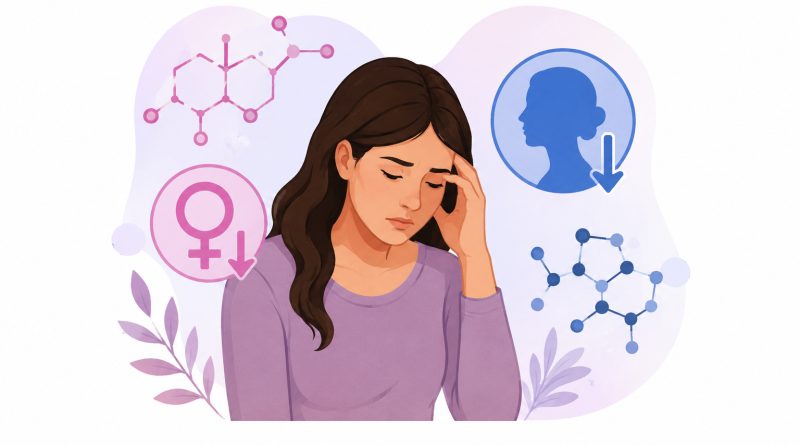
Female sexual desire can change throughout life, and hormones play an important role. Changes in estrogen, testosterone, progesterone, and other hormones can influence libido, arousal, vaginal comfort, mood, and overall sexual wellbeing.
How Hormones Can Affect Sexual Desire
- Estrogen: Declining estrogen, particularly during perimenopause and menopause, can contribute to vaginal dryness, reduced elasticity, and discomfort during sex. These symptoms may indirectly reduce sexual desire.
- Testosterone: Although present at lower levels in women, testosterone contributes to sexual desire and arousal. Changes in testosterone levels may affect libido in some women.
- Progesterone: Fluctuations during the menstrual cycle, pregnancy, and other hormonal transitions can influence mood and sexual interest.
- Thyroid hormones: Both underactive and overactive thyroid conditions can sometimes contribute to changes in libido, energy, and mood.
- Stress hormones: Chronic stress and elevated cortisol can reduce sexual interest and make it more difficult to feel relaxed and aroused.
When Can Hormonal Changes Affect Libido?
Hormonal changes may occur during:
Puberty → Menstrual cycle → Pregnancy → Postpartum period → Perimenopause → Menopause
However, hormones are only one part of sexual desire. Stress, relationship factors, sleep, medications, mental wellbeing, pain, and certain medical conditions can also have a major influence.
What Can Help?
Maintaining regular physical activity, getting adequate sleep, managing stress, communicating openly with your partner, and addressing vaginal dryness or pain can help improve sexual wellbeing. If low sexual desire persists or is affecting your quality of life, a gynecologist or other qualified healthcare professional can help identify the underlying cause and discuss appropriate treatment options.
Low sexual desire is common, but persistent or distressing changes deserve attention. You don't have to simply accept them as a normal part of aging.