Women Athletes and Healthcare: Protecting Health and Performance
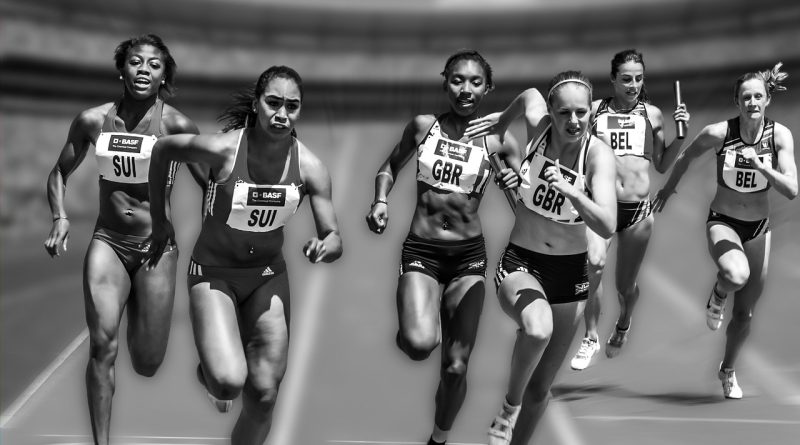
Women who participate in sports and regular physical activity can gain many health benefits, including improved fitness, stronger bones, better cardiovascular health and enhanced mental well-being. However, women athletes also have specific healthcare needs that deserve attention.
Good athletic performance depends not only on training but also on nutrition, recovery, menstrual health, bone health, injury prevention and mental well-being.
1. Proper Nutrition
Athletes need enough energy and nutrients to support training and recovery.
A balanced diet should include:
- Protein for muscle repair and recovery
- Carbohydrates for energy
- Healthy fats
- Fruits and vegetables
- Whole grains
- Adequate fluids
Restrictive dieting or consistently eating too little can negatively affect health and athletic performance.
2. Iron and Anemia
Iron is important for making hemoglobin, which carries oxygen in the blood. Women athletes, particularly those who menstruate heavily, may be at increased risk of iron deficiency.
Possible symptoms include:
- Persistent tiredness
- Reduced exercise tolerance
- Weakness
- Shortness of breath during activity
- Difficulty concentrating
If these symptoms occur, a healthcare professional can determine whether testing is appropriate. Iron supplements should not be taken routinely without appropriate medical advice.
3. Menstrual Health
Changes in menstrual periods should not simply be considered a normal consequence of intense training.
Very irregular or absent periods can sometimes indicate that the body is not receiving enough energy to support both exercise and normal reproductive functions.
Women athletes should discuss significant menstrual changes with a qualified healthcare professional.
4. Bone Health
Adequate energy intake, calcium, vitamin D and appropriate physical activity all contribute to healthy bones.
Repeated stress injuries or fractures may be a warning sign that an athlete needs medical evaluation, particularly when combined with menstrual irregularities or inadequate nutrition.
5. Injury Prevention
Women athletes can experience sports injuries such as sprains, muscle strains and stress injuries.
A proper warm-up, strength training, appropriate technique, gradual increases in training load and adequate recovery can help reduce injury risk.
6. Hydration
Dehydration can affect physical performance and concentration.
Drink fluids regularly and increase fluid intake appropriately during prolonged exercise or hot weather. During long or intense training sessions, electrolyte replacement may sometimes be appropriate.
7. Rest and Recovery
Training without adequate recovery can contribute to fatigue, reduced performance and increased injury risk.
Healthy recovery includes:
- Adequate sleep
- Rest days
- Balanced nutrition
- Hydration
- Appropriate training progression
8. Mental Health
Competitive sports can bring pressure related to performance, body image, competition and expectations.
Anxiety, persistent low mood, disordered eating or excessive concern about weight should not be ignored. Athletes should have access to supportive healthcare professionals and trusted people they can talk to.
9. Pregnancy and Sports
Many women can remain physically active during pregnancy, but the appropriate level and type of exercise can vary.
Pregnant athletes should discuss their training plans with their healthcare professional, particularly when participating in high-impact or contact sports.
10. Regular Health Checkups
Women athletes can benefit from appropriate preventive healthcare, including discussions about:
- Menstrual health
- Nutrition
- Iron status when indicated
- Bone health
- Previous injuries
- Mental well-being
- Exercise-related symptoms
A Healthy Athlete Is More Than Performance
Success in sport should never come at the expense of long-term health.
Train smart. Eat well. Recover properly. Listen to your body. Seek medical advice when something doesn’t feel right.
Cash Back Hospital & Lab
Cash Back Hospital & Lab is committed to sharing useful health information that supports healthier lifestyles and informed healthcare decisions.
Your Health. Your Care. Your Savings.
Disclaimer: This article is for general educational purposes only and does not replace professional medical advice, diagnosis or treatment.