
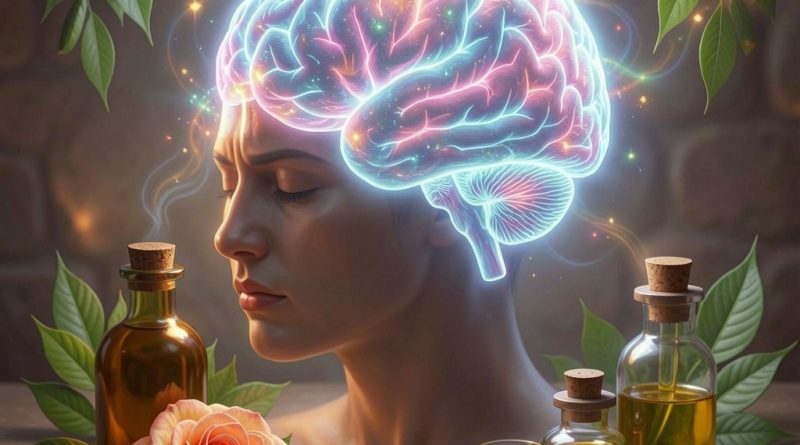
Ayurveda for Migraine: Triggers, Diet & Therapies
Migraine is more than an ordinary headache. It may present as recurrent throbbing or pulsating head pain, often accompanied by nausea, vomiting, sensitivity to light or sound, and—in some people—visual or sensory aura. Modern medicine recognizes migraine as a neurological disorder influenced by genetic, environmental, hormonal, and lifestyle factors.
Ayurveda approaches recurrent headache through an individualized assessment of Dosha, Agni (digestive and metabolic function), diet, lifestyle, sleep, stress, and associated symptoms. A condition commonly discussed in relation to migraine is Ardhavabhedaka (अर्धावभेदक), one of the classical Shiroroga (diseases of the head).
Understanding Ardhavabhedaka in Ayurveda
The word Ardhavabhedaka can be understood as a headache characterized by intense, penetrating pain involving one side or half of the head. Classical Ayurvedic texts describe characteristic pain affecting regions of the head and face.
A frequently cited description from Charaka Samhita, Siddhi Sthana 9 states:
रूक्षाध्यशनात्यर्थं पूर्ववातावसेवनात्।
भाष्यातिमात्रं शोकाच्च प्रकोपं याति मारुतः॥
केवलः सकफो वाऽर्धं गृहीत्वा शिरसो बली।
मन्याभ्रूशङ्खकर्णाक्षिललाटार्धेऽतिवेदनाम्॥
शस्त्रारणिनिभां कुर्यात्तीव्रां सोऽर्धावभेदकः॥
The passage describes aggravated Vata, sometimes associated with Kapha, producing severe pain affecting one half of the head and regions such as the neck, eyebrow, temple, ear, eye, and forehead. The pain is described as intense and penetrating.
This classical description has several similarities to the unilateral and severe nature of migraine, although contemporary migraine diagnosis is based on modern neurological criteria.
Ayurvedic Understanding of Migraine
Ayurvedic management does not depend only on the location of pain. The physician evaluates the predominant Dosha and the overall pattern of symptoms.
Vata involvement
Vata is strongly associated with pain. A Vata-dominant headache may be associated with variable or intense pain, irregular appetite, disturbed sleep, anxiety or excessive mental activity, dryness, and worsening after fasting or exhaustion.
Irregular routines, insufficient food, excessive travel, lack of sleep, and physical or mental overexertion may aggravate Vata.
Pitta involvement
When Pitta predominates, headache may be associated with burning sensations, heat intolerance, irritability, redness of the eyes, acidity, or worsening after excessive heat exposure and certain foods.
Kapha involvement
Kapha-associated presentations may involve heaviness of the head, dull pain, excessive sleepiness, congestion, nausea, or a feeling of obstruction.
Many patients do not fit neatly into one category. Vata-Pitta, Vata-Kapha, or other mixed patterns may occur, which is one reason classical Ayurvedic treatment is individualized.
Nidana – Understanding Migraine Triggers
One of Ayurveda's fundamental therapeutic principles is Nidana Parivarjana, or avoiding factors that contribute to disease.
संक्षेपतः क्रियायोगो निदानपरिवर्जनम्।
In practical terms, treatment begins by recognizing and reducing avoidable triggers.
Migraine triggers vary considerably between individuals. Commonly reported triggers include:
- Skipping meals or prolonged fasting
- Dehydration
- Inadequate or irregular sleep
- Excessive sleep in susceptible individuals
- Mental stress and emotional strain
- Bright or flashing lights
- Loud sounds
- Strong smells
- Prolonged screen exposure
- Excessive heat or sun exposure
- Alcohol
- Menstrual or other hormonal changes
- Excessive caffeine or caffeine withdrawal
- Particular foods in susceptible individuals
Keeping a migraine diary can be especially useful. Record meals, sleep, stress, menstruation when relevant, medications, headache timing, severity, and accompanying symptoms. Patterns often become clearer after several weeks.
The Role of Agni and Digestion
Ayurveda gives considerable importance to Agni, the body's digestive and metabolic capacity. Irregular eating habits and foods that are poorly tolerated may disturb digestion and contribute to systemic symptoms.
A well-known Ayurvedic principle states:
रोगाः सर्वेऽपि मन्देऽग्नौ।
This highlights the traditional importance given to impaired Agni in disease development.
For someone with recurrent headaches, an Ayurvedic assessment therefore considers not only the headache itself but also appetite, digestion, bowel habits, meal timing, bloating, acidity, nausea, and food tolerance.
This does not mean that migraine is simply caused by poor digestion. Migraine is a complex neurological disease. Rather, digestive health forms one component of the broader Ayurvedic assessment.
Ayurvedic Diet for Migraine
There is no single diet suitable for every migraine patient. Food should ideally be selected according to the person's constitution, symptoms, digestive capacity, medical conditions, and identified migraine triggers.
Maintain regular meal timings
Skipping meals is a recognized migraine trigger for some people and can also aggravate Vata from an Ayurvedic perspective.
Aim for reasonably consistent meal times rather than alternating between prolonged fasting and very heavy meals.
Stay adequately hydrated
Dehydration may trigger or worsen headaches. Drink adequate fluids throughout the day, adjusting intake according to weather, physical activity, medical conditions, and individual requirements.
Prefer freshly prepared, balanced meals
Depending on individual tolerance, meals may include freshly cooked vegetables, whole grains, suitable pulses, fruits, and other nutritionally appropriate foods.
Ayurveda generally emphasizes food that is compatible with one's Agni, Prakriti, season, and current Dosha imbalance rather than applying the same diet to everyone.
Identify personal food triggers
Some people report migraine attacks after specific foods or drinks, but triggers are highly individual. Avoid unnecessarily restrictive diets unless a consistent association has been established.
A food-and-headache diary is usually more useful than eliminating many foods at once.
Avoid excessive fasting
Long gaps between meals may precipitate migraine in susceptible people. From an Ayurvedic perspective, excessive fasting may also aggravate Vata.
Therapeutic fasting, if considered for another reason, should therefore not be undertaken casually by someone whose headaches worsen when meals are missed.
Dinacharya – Daily Routine for Migraine Prevention
Regularity is particularly important in Ayurvedic lifestyle management.
Try to maintain consistent times for waking, eating, working, exercising, relaxing, and sleeping. Adequate sleep is particularly important because both insufficient sleep and major changes in sleep patterns can trigger migraine attacks.
Moderate physical activity, relaxation practices, and appropriate yoga may also support general wellbeing and stress management.
Yoga and Pranayama
Gentle practices may help some people manage stress, which can be an important migraine trigger.
Depending on individual suitability, practices may include:
- Nadi Shodhana
- Bhramari Pranayama
- Gentle stretching or yoga
- Meditation
- Yoga Nidra
- Relaxation and breathing exercises
Yoga and pranayama should complement—not replace—appropriate migraine treatment.
Ayurvedic Therapies Used for Migraine
Ayurvedic treatment is traditionally selected according to the dominant Dosha, strength of the patient, chronicity, associated symptoms, digestive state, and other clinical findings.
Nasya
Nasya refers to the therapeutic administration of appropriately selected substances through the nasal route.
Ayurveda traditionally regards the nose as an important therapeutic gateway for disorders occurring above the clavicle:
नासा हि शिरसो द्वारम्।
For this reason, Nasya is discussed extensively in the management of various Urdhvajatrugata disorders.
However, therapeutic Nasya is not simply putting household oils or herbal liquids into the nose. The substance, dose, timing, preparation, and contraindications matter. It should be undertaken under the guidance of a qualified Ayurvedic practitioner.
Shirodhara
In Shirodhara, a controlled stream of an appropriate liquid—commonly medicated oil in certain traditional protocols—is poured over the forehead for a specified period.
It is often used in Ayurvedic practice for relaxation, disturbed sleep, stress, and selected headache presentations.
Evidence specifically supporting Shirodhara as an established migraine treatment remains limited, so it should be regarded as a complementary therapy rather than a replacement for evidence-based migraine care.
Shiro Abhyanga
Gentle head massage with appropriately selected oil is traditionally used to promote relaxation and support sleep and comfort.
The choice of oil and technique depends on the individual. During an acute migraine attack, some people may find touch, smell, or massage uncomfortable, so treatment should be adapted accordingly.
Panchakarma
Classical Ayurvedic physicians may consider procedures such as Virechana, Basti, or Nasya in selected individuals.
Panchakarma is not one universal "detox" treatment for migraine. Procedures have specific indications and contraindications and should only be undertaken after proper assessment by a qualified practitioner.
Ayurvedic Herbs and Medicines
Ayurvedic practice may use herbs or formulations such as Brahmi, Guduchi, Shankhapushpi, Jatamansi, or other preparations depending on the clinical assessment.
However, "natural" does not automatically mean safe.
Herbal medicines can produce side effects, interact with prescription medicines, and vary in purity and composition. Some improperly manufactured traditional products have also been found to contain harmful levels of heavy metals.
Pregnant or breastfeeding individuals, children, older adults, and people with liver, kidney, cardiovascular, or other chronic conditions should be particularly careful about self-medication.
The exact medicine, dose, Anupana (vehicle), timing, and duration should be determined by a qualified Ayurvedic physician.
Stress and Migraine
Stress is a common migraine trigger, although it is rarely the only factor involved.
Ayurveda emphasizes balance between activity and rest. Regular sleep, appropriate physical activity, meditation, breathing exercises, and reducing excessive mental or physical strain may therefore form part of a comprehensive management plan.
Modern migraine management similarly recognizes the value of identifying triggers, maintaining regular sleep and meals, managing stress, and using appropriate preventive or acute treatment when necessary.
What to Do During a Migraine Attack
During an attack, many people benefit from resting in a quiet, dark, comfortable environment. Reduce screen exposure and strong sensory stimulation and maintain hydration when possible.
Use any migraine medication prescribed or recommended by your healthcare professional according to their instructions.
Avoid repeatedly experimenting with strong herbal remedies, nasal preparations, or intensive Panchakarma procedures during an acute attack without professional advice.
When a Headache Needs Urgent Medical Attention
Not every severe headache is migraine. Seek urgent medical assessment for a headache that:
- Appears suddenly and reaches extreme intensity rapidly
- Occurs after a significant head injury
- Is accompanied by weakness, paralysis, facial drooping, severe confusion, fainting, or difficulty speaking
- Occurs with fever and marked neck stiffness
- Is associated with a seizure
- Is a new or substantially different headache during pregnancy or after delivery
- Is a new severe headache in someone with cancer, significant immune suppression, or another serious medical condition
- Is progressively worsening or markedly different from the person's usual migraine pattern
New, recurrent, or disabling headaches should also be evaluated by a healthcare professional rather than being self-diagnosed as migraine.
Integrating Ayurveda and Modern Migraine Care
The most responsible approach is not to frame Ayurveda and modern medicine as competitors.
Modern medicine can establish the diagnosis, identify secondary causes of headache, and provide evidence-based acute and preventive migraine treatments. Ayurveda may offer an individualized complementary framework involving Ahara (diet), Vihara (lifestyle), Nidana Parivarjana (trigger avoidance), stress management, and selected therapies.
For some people, integrating these approaches under qualified professional supervision may be preferable to relying on one system alone.
Conclusion
Ayurveda views headache within the broader context of the individual's Dosha balance, digestion, diet, sleep, lifestyle, stress, and environmental exposures. Ardhavabhedaka provides an important classical description of severe unilateral headache and has features that overlap with migraine.
An Ayurvedic strategy may therefore focus on identifying triggers, maintaining regular meals and sleep, supporting appropriate digestion, managing stress, and selecting individualized therapies such as Nasya or other classical treatments when clinically appropriate.
At the same time, migraine is a neurological disorder that can significantly affect quality of life. Ayurvedic therapies should therefore be used thoughtfully and, where appropriate, alongside modern diagnosis and treatment.
Disclaimer: This article is for educational purposes only and does not diagnose or treat migraine. Classical Ayurvedic descriptions should be interpreted by appropriately trained practitioners. Do not start herbal medicines, Nasya, Panchakarma, or discontinue prescribed migraine medication without professional medical advice.
Website: cashbackhospitalandlab.com