
Invention of Advance Technology In Health
Technology has transformed healthcare from traditional methods of diagnosis and treatment into a highly advanced and increasingly connected field. New medical technologies are helping healthcare professionals detect diseases earlier, improve treatment, monitor patients and make healthcare more accessible.
1. Artificial Intelligence in Healthcare
Artificial intelligence (AI) is being used to assist healthcare professionals in areas such as medical imaging, disease detection, clinical decision support and patient monitoring.
AI can analyze large amounts of medical information quickly, but it should be used under appropriate professional oversight.
2. Robotic Surgery
Robotic surgical systems can assist surgeons with highly precise movements during certain procedures. These technologies may provide enhanced visualization and control while allowing surgeons to perform minimally invasive operations in appropriate cases.
3. Telemedicine
Telemedicine allows patients to consult healthcare professionals remotely using digital communication technologies.
It can be especially useful for follow-up consultations and for people who live far from healthcare facilities.
4. Wearable Health Devices
Smartwatches and other wearable devices can monitor information such as:
- Heart rate
- Physical activity
- Sleep patterns
- Blood oxygen levels on supported devices
- Other health-related measurements
These devices can help people understand trends in their health, although they do not replace professional medical evaluation.
5. Advanced Medical Imaging
Technologies such as MRI, CT, ultrasound and advanced digital imaging help healthcare professionals visualize structures inside the body and support diagnosis.
Artificial intelligence and improved imaging systems are also being developed to assist with image analysis.
6. 3D Printing in Medicine
3D printing has applications in healthcare, including the development of customized anatomical models, prosthetic devices and certain medical components.
Researchers are also exploring more advanced applications, including tissue engineering and bioprinting.
7. Remote Patient Monitoring
Connected medical devices can allow selected health information to be monitored remotely. This can help healthcare teams follow patients with certain chronic conditions and identify changes that may require attention.
8. Drones in Healthcare
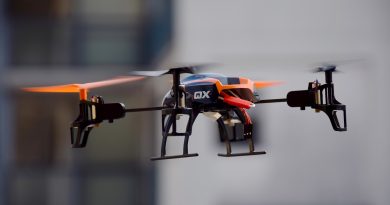
Drones are being explored for transporting medicines, blood products, vaccines, diagnostic samples and other medical supplies, particularly in remote or difficult-to-reach areas.
9. Digital Health Records
Electronic health records allow authorized healthcare professionals to store and access patient information digitally. Better access to accurate medical records can support continuity of care and reduce unnecessary duplication of information.
10. Virtual Reality and Augmented Reality
Virtual reality and augmented reality are being explored for medical education, surgical planning, rehabilitation and certain therapeutic applications.
These technologies can provide interactive learning and simulation environments for healthcare professionals and patients.
11. Advanced Laboratory Technology
Modern laboratory systems can automate many processes and improve the speed and consistency of diagnostic testing.
Automation, molecular testing and digital laboratory systems are helping laboratories handle increasingly complex diagnostic requirements.
12. Personalized Medicine
Advances in genetics and data analysis are supporting the development of more personalized approaches to healthcare. In some situations, information about a person’s genes and other biological characteristics can help healthcare professionals select appropriate diagnostic or treatment strategies.
Benefits of Advanced Healthcare Technology
Modern technology can potentially provide:
- Earlier detection of some diseases
- More precise diagnosis
- Faster communication
- Better patient monitoring
- Improved surgical precision
- Greater access to healthcare
- More personalized treatment
- More efficient healthcare services
Challenges and Responsibilities
Technology also brings important challenges, including:
- Patient privacy and data security
- Cost and accessibility
- Cybersecurity
- Accuracy and reliability
- Training of healthcare professionals
- Ethical considerations
- Responsible use of artificial intelligence
Technology should support healthcare professionals rather than replace appropriate medical judgment.
The Future of Healthcare
The future of medicine is likely to combine human expertise with advanced technology. AI, robotics, telemedicine, wearable devices, advanced diagnostics and other innovations may continue to change how healthcare is delivered.
The most important goal is not simply to develop new technology, but to use it responsibly to improve patient safety, quality of care, accessibility and health outcomes.
Cash Back Hospital & Lab
At Cash Back Hospital & Lab, we believe that innovation and technology can play an important role in making healthcare more accessible, efficient and patient-focused.
Your Health. Your Care. Your Savings.
Disclaimer: This article is for general educational and informational purposes only. Specific medical decisions should always be made in consultation with qualified healthcare professionals.