Get more nutrition in every bite
Healthy eating is not only about eating less—it is about making every bite count. Choosing foods that provide vitamins, minerals, protein, fiber and other essential nutrients can help support overall health and well-being.
1. Fill Your Plate With Vegetables
Add a variety of colorful vegetables to your meals. Spinach, carrots, tomatoes, peppers, beans, gourds and other vegetables provide important nutrients and fiber.
Tip: Try to include different colors of vegetables throughout the week.
2. Choose Whole Fruits
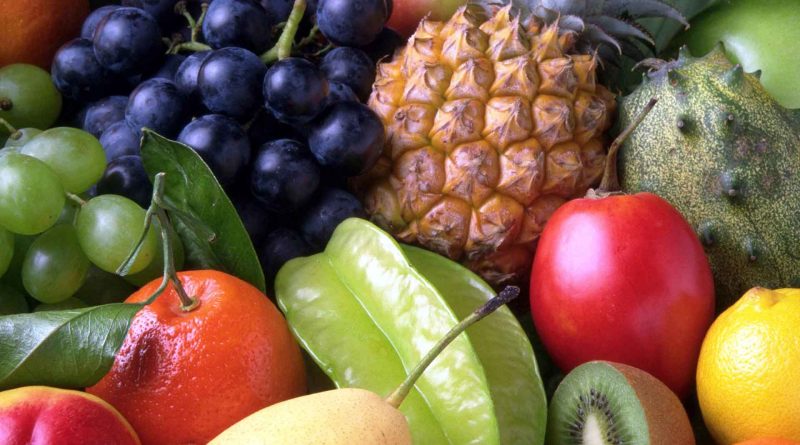
Whole fruits provide vitamins, minerals and fiber. Choose seasonal fruits instead of relying on juices, which can contain less fiber and may provide concentrated amounts of natural sugar.
3. Add Protein to Your Meals
Protein helps support muscles and other body functions. Good sources include:
- Dal and lentils
- Beans and chickpeas
- Eggs
- Fish
- Lean meat
- Milk or suitable dairy alternatives
- Nuts and seeds
Choose protein sources appropriate for your individual dietary needs.
4. Choose Whole Grains
Whenever possible, choose whole or minimally processed grains such as oats, whole wheat, barley and brown rice. They generally provide more fiber and nutrients than refined grains.
5. Include Healthy Fats
Healthy fat sources can include nuts, seeds, avocados and plant-based oils. Portion size still matters because fats are calorie-dense.
6. Make Snacks More Nutritious
Instead of making highly processed snacks a regular habit, consider options such as:
- Fresh fruit
- Roasted chickpeas
- Unsalted nuts and seeds
- Plain yogurt
- Vegetable sticks
7. Reduce Empty Calories
Limit foods and drinks that provide lots of calories but relatively few nutrients, such as sugary beverages, sweets and highly processed snacks.
8. Drink Water
Water is essential for normal body functions. Choose water regularly throughout the day and limit sugar-sweetened drinks.
9. Read Food Labels
When buying packaged foods, look at the serving size and check the amounts of added sugar, sodium, saturated fat, protein and fiber.
10. Think Nutrient-Dense, Not Just Calorie-Dense
A simple way to improve your diet is to ask:
“What nutrients am I getting from this food?”
Choose foods that provide more nutritional value per serving rather than focusing only on calories.
A Simple Healthy Plate
A balanced meal can include:
🥦 Vegetables and salad
🍎 Fruit
🌾 Whole grains
🥚 A protein source
🥜 A small portion of healthy fats
💧 Water
Final Takeaway
You don’t need a perfect diet to eat well. Small improvements can make a big difference over time.
Add more vegetables. Choose whole foods. Include protein and fiber. Limit highly processed foods. Make every bite count.
Cash Back Hospital & Lab is committed to sharing useful health and nutrition information to help individuals and families make informed healthcare choices.
Your Health. Your Care. Your Savings.
Disclaimer: This article is for general educational purposes only and is not a substitute for personalized medical or nutritional advice.