Mosquito-borne diseases has threaten World
Mosquito-Borne Diseases: A Growing Threat to the World
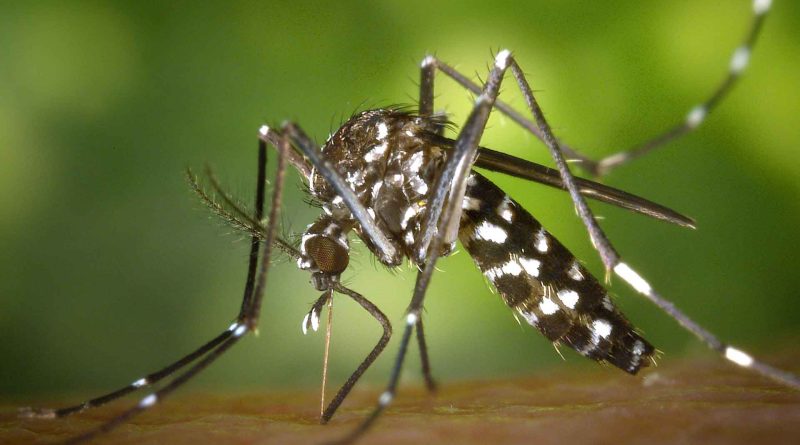
Mosquitoes are among the world’s most important carriers of infectious diseases. They can transmit viruses, parasites and other pathogens to humans through their bites. Diseases such as dengue, malaria, chikungunya, Zika and Japanese encephalitis affect millions of people around the world.
Climate, travel, urbanization, population growth and changes in mosquito habitats can influence where mosquito-borne diseases occur and how they spread.
Major Mosquito-Borne Diseases
1. Dengue
Dengue is a viral infection transmitted mainly by Aedes mosquitoes. It can cause high fever, severe headache, body aches, nausea and rash. Some cases can become severe and require urgent medical care.
2. Malaria
Malaria is caused by parasites transmitted through the bites of infected Anopheles mosquitoes. Common symptoms include fever, chills, headache and weakness. Malaria can become life-threatening if not diagnosed and treated promptly.
3. Chikungunya
Chikungunya is a viral disease transmitted by infected Aedes mosquitoes. Fever and significant joint pain are common symptoms, and joint discomfort can sometimes persist for a long time.
4. Zika
Zika virus is mainly spread by infected Aedes mosquitoes. Many infections cause mild or no symptoms, but Zika infection during pregnancy can pose serious risks to the developing baby.
5. Japanese Encephalitis
Japanese encephalitis is a mosquito-borne viral disease that can cause inflammation of the brain. Most infections do not cause symptoms, but severe disease can result in serious neurological complications.
Why Are Mosquito-Borne Diseases a Global Concern?
Climate and Environment
Temperature and rainfall influence mosquito populations and their ability to survive and reproduce. Environmental changes can alter the geographic range and seasonal patterns of some mosquito-borne diseases.
Urbanization
Rapid urban growth and inadequate water management can create mosquito breeding sites, particularly where water collects in containers, discarded materials or poorly managed drainage systems.
International Travel
People can carry infections between countries and regions through travel, potentially contributing to the introduction of diseases into areas where suitable mosquito vectors are present.
Changing Mosquito Habitats
Changes in land use, climate and human activity can affect where mosquitoes live and increase contact between mosquitoes and people.
How Can We Protect Ourselves?
Mosquito control is one of the most important ways to prevent mosquito-borne diseases.
Prevent Mosquito Bites
- Use mosquito repellent according to the product instructions.
- Wear clothing that covers arms and legs when appropriate.
- Use window and door screens.
- Sleep under mosquito nets where recommended.
- Use air conditioning or other measures that reduce mosquito exposure.
- Take extra precautions during periods of high mosquito activity.
Eliminate Breeding Sites
Mosquitoes can breed in small amounts of standing water.
Regularly:
- Empty water from containers.
- Clean and cover water-storage containers.
- Remove discarded items that can collect rainwater.
- Keep drains and surroundings clean.
- Check plant pots, coolers and other outdoor containers.
When Should You Seek Medical Care?
Seek medical advice if you develop symptoms such as high fever, severe headache, persistent vomiting, unusual bleeding, difficulty breathing, confusion, severe weakness or other concerning symptoms, particularly after mosquito exposure or travel to an area where mosquito-borne diseases are common.
A Global Health Challenge
Mosquito-borne diseases are not just an individual health problem. Prevention requires cooperation between individuals, communities, healthcare professionals and public health authorities.
Reducing mosquito breeding sites, preventing bites, improving surveillance and seeking timely medical care can all help reduce the impact of these diseases.
Final Message
Prevent mosquito bites. Remove standing water. Recognize warning signs. Seek medical care when needed.
Cash Back Hospital & Lab is committed to sharing reliable health information to help individuals and families make informed healthcare decisions.
Your Health. Your Care. Your Savings.
Disclaimer: This article is for general educational purposes only and is not a substitute for professional medical advice, diagnosis or treatment.