Why Are Heart Attacks Increasing in Young People?
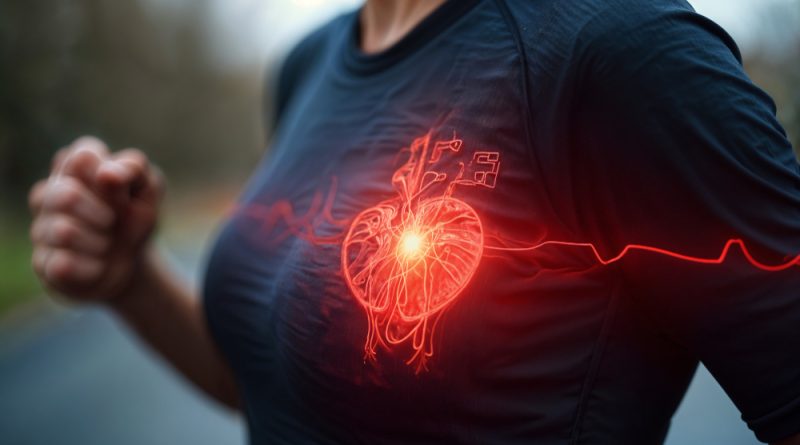
Heart attacks are traditionally associated with older adults, but younger adults can also develop coronary artery disease and suffer heart attacks. Recent medical literature and 2026 reporting have highlighted growing concern about cardiovascular risk appearing earlier in life.
The important point is that there is no single cause. Several risk factors can accumulate over many years—even when a person feels completely healthy.
1. Smoking and Tobacco Use 🚬
Smoking damages blood vessels, raises blood pressure and makes blood clots more likely. Tobacco use is particularly important in young heart-attack patients; studies of very young adults in India have found high rates of smoking and smokeless-tobacco use.
2. High Cholesterol
High LDL cholesterol can contribute to plaque buildup inside coronary arteries. A person may have high cholesterol without any obvious symptoms, which is why checking cholesterol is important even before middle age when risk factors are present.
3. Obesity and Increasing Belly Fat
Excess body fat—particularly around the waist—is associated with higher cardiovascular risk. Obesity can also contribute to high blood pressure, diabetes and abnormal cholesterol levels.
4. Lack of Physical Activity
Long hours of sitting, limited exercise and increasingly sedentary lifestyles can contribute to obesity, diabetes, high blood pressure and poor cardiovascular fitness. Regular physical activity helps reduce several of these risk factors.
5. Diabetes and Prediabetes
Type 2 diabetes significantly increases cardiovascular risk. Increasing rates of obesity and metabolic problems mean that blood-sugar-related heart risk can appear much earlier than people expect.
6. High Blood Pressure
Hypertension often produces no noticeable symptoms. Over time, uncontrolled high blood pressure puts extra strain on the heart and damages blood vessels, increasing the risk of heart attack and stroke.
7. Chronic Stress and Poor Sleep
Work pressure, financial concerns, inadequate sleep and unhealthy coping habits can contribute to an overall unhealthy cardiovascular lifestyle. Stress should not be considered a single explanation for heart attacks, but it can interact with other risk factors.
8. Unhealthy Diet
Frequent consumption of highly processed foods, excess calories, salt and unhealthy fats can contribute to obesity, high blood pressure, abnormal cholesterol and diabetes—all of which can increase cardiovascular risk.
9. Family History
Some young people develop heart disease despite apparently healthy lifestyles because of genetic or inherited risk, including a family history of premature coronary artery disease or inherited high cholesterol.
10. Ignoring Health Check-Ups
One of the biggest problems is “I am young, so nothing can happen to me.”
Young adults may not know their blood pressure, cholesterol or blood sugar levels. Some cardiovascular risk factors can develop silently years before a heart attack occurs. The American Heart Association emphasizes that cardiovascular risk factors can already be present during adolescence and young adulthood.
🚨 Warning Signs of a Heart Attack
Never ignore symptoms such as:
- Pressure, squeezing or pain in the chest
- Pain spreading to the arm, shoulder, back, neck or jaw
- Shortness of breath
- Sudden sweating
- Nausea or vomiting
- Unusual weakness or dizziness
A heart attack can happen to a young person. If symptoms suggest a heart attack, seek emergency medical care immediately rather than assuming it is gas, acidity, anxiety or muscle pain.
❤️ How Young People Can Protect Their Heart
Start with simple habits:
Don't smoke or use tobacco → Stay physically active → Maintain a healthy weight → Eat a balanced diet → Check BP, blood sugar and cholesterol when appropriate → Sleep adequately → Manage stress → Know your family history.
The good news is that many cardiovascular risk factors are modifiable, and prevention can begin long before a heart attack occurs.
Suggested website headline
“Heart Attack at 30? Why Young People Shouldn't Ignore Their Heart Health”
For Cash Back Hospital And Lab, this would make a strong public-awareness article because it can naturally lead into preventive heart-health check-ups and laboratory screening.