
Obesity and Healthy Weight Management
Causes, Health Risks, BMI, Waist Circumference, Diet, Exercise, Sleep, Medicines & Sustainable Weight Loss

Obesity is a chronic, complex health condition, not simply a matter of appearance or willpower. Body weight is influenced by food intake and physical activity, but also by genetics, hormones, sleep, medications, environment, psychological factors, socioeconomic circumstances and underlying medical conditions.
Excess body fat—particularly visceral fat around the abdomen—is associated with increased risk of type 2 diabetes, high blood pressure, abnormal cholesterol, fatty liver disease, sleep apnoea, osteoarthritis, cardiovascular disease and several other health problems.
Healthy weight management should therefore focus on improving health, fitness, metabolic risk and quality of life, rather than chasing unrealistic numbers on a weighing scale.
1. What Is Obesity?
Obesity is generally defined as excessive body-fat accumulation that can impair health.
The most commonly used screening measure is:
Body Mass Index (BMI)
BMI is calculated as:
Weight in kilograms ÷ height in metres²
For example:
A person weighing 80 kg with a height of 1.70 m has a BMI of approximately:
27.7 kg/m²
BMI is useful for population screening but does not directly measure body fat.
2. Understanding BMI
For many adults, commonly used BMI categories are:
| BMI | Classification |
|---|---|
| Below 18.5 | Underweight |
| 18.5–24.9 | Healthy range |
| 25.0–29.9 | Overweight |
| 30.0–34.9 | Obesity Class I |
| 35.0–39.9 | Obesity Class II |
| ≥40 | Obesity Class III |
These categories are useful screening tools, not complete assessments of an individual's health.
3. BMI Has Limitations
BMI cannot distinguish between:
Muscle
Fat
Bone mass
A muscular athlete may have a high BMI without excessive body fat.
Conversely, someone with a “normal” BMI can still carry excessive visceral fat and have metabolic risk.
Therefore, BMI should be interpreted alongside:
Waist circumference
Blood pressure
Blood glucose
Lipids
Overall clinical risk
4. South Asians and Metabolic Risk
People of South Asian ancestry can develop metabolic complications at lower BMI levels compared with some other populations.
Abdominal fat and insulin resistance can occur even when BMI does not appear dramatically elevated.
Therefore:
Waist circumference and metabolic health are particularly important.
A person does not need to look severely obese to have significant diabetes or cardiovascular risk.
5. Waist Circumference Matters
Waist circumference provides an estimate of abdominal obesity.
Excess visceral fat around internal organs is strongly associated with:
Insulin resistance
Type 2 diabetes
Hypertension
Abnormal cholesterol
Fatty liver
Cardiovascular disease
Waist measurement can therefore add useful information beyond BMI.
6. How to Measure Your Waist
Measure around the abdomen using a flexible tape.
Keep the tape:
- Horizontal
- Snug but not compressing the skin
- Around the appropriate anatomical waist level
- Measured after a normal breath out
Use the same technique each time if tracking progress.
7. Why Does Obesity Develop?
Body weight changes when energy intake and expenditure remain imbalanced over time.
But the reasons behind that imbalance can be complex.
Contributors include:
High-calorie foods
Sugary beverages
Large portions
Sedentary lifestyle
Poor sleep
Genetics
Certain medications
Psychological factors
Food environment
Hormonal and medical conditions
Reducing obesity to “eat less and move more” overlooks much of this biology.
8. Genetics and Obesity
Genetics can influence:
- Appetite
- Satiety
- Fat distribution
- Energy expenditure
- Food preferences
- Susceptibility to weight gain
Genetics does not mean weight cannot change.
But it helps explain why two people living in similar environments may respond differently.
9. Hormones and Weight
Hormones involved in appetite and metabolism include:
Leptin
Ghrelin
Insulin
Thyroid hormones
Cortisol
Gut-derived hormones such as GLP-1
Weight regulation involves complex communication between:
Brain + gastrointestinal tract + fat tissue + endocrine system.
This is one reason maintaining weight loss can be biologically challenging.
10. Is Thyroid Disease the Cause?
Hypothyroidism can contribute to some weight gain.
However:
Severe obesity is rarely explained entirely by an underactive thyroid.
If symptoms suggest thyroid dysfunction, testing such as:
TSH
may be appropriate.
But repeated thyroid testing is not a substitute for comprehensive weight management.
11. Medicines That Can Affect Weight
Some medicines may contribute to weight gain.
Examples can include certain:
- Antidepressants
- Antipsychotics
- Diabetes medications
- Steroids
- Anti-seizure medicines
Never stop prescribed medication because of weight gain without discussing alternatives with the prescribing clinician.
12. Health Risks Associated With Obesity
Obesity increases the likelihood of several conditions, including:
Type 2 diabetes
Hypertension
Dyslipidaemia
Cardiovascular disease
Fatty liver disease
Obstructive sleep apnoea
Osteoarthritis
Gallbladder disease
Reproductive problems
Certain cancers
Risk varies substantially between individuals.
13. Obesity and Type 2 Diabetes
Excess visceral fat contributes strongly to:
Insulin resistance
The pancreas initially compensates by producing more insulin.
Over time, blood glucose may rise and progress from:
Normal glucose → Prediabetes → Type 2 diabetes.
Even modest weight reduction can improve insulin sensitivity.
14. Obesity and High Blood Pressure
Excess body weight can increase blood pressure through several mechanisms involving:
- Nervous-system activity
- Hormonal regulation
- Kidney sodium handling
- Insulin resistance
- Vascular changes
Weight reduction can improve blood pressure in many people.
15. Obesity and Cholesterol
Obesity—especially abdominal obesity—is commonly associated with:
High triglycerides
Low HDL cholesterol
Increased atherogenic particles
LDL cholesterol can also be abnormal.
Improving weight, diet and physical activity can improve the lipid profile.
16. Obesity and Fatty Liver
Obesity and insulin resistance are major risk factors for:
Metabolic dysfunction-associated steatotic liver disease (MASLD)
formerly commonly called NAFLD.
Fat accumulates in liver cells and, in some people, can progress to:
Inflammation → Fibrosis → Cirrhosis.
Weight reduction is one of the most effective interventions for metabolic fatty liver.
17. Obesity and Sleep Apnoea
Excess body weight substantially increases the risk of:
Obstructive Sleep Apnoea (OSA)
Warning signs include:
- Loud snoring
- Witnessed pauses in breathing
- Choking/gasping during sleep
- Morning headaches
- Excessive daytime sleepiness
Untreated OSA can worsen blood pressure, cardiovascular risk and quality of life.
18. Obesity and Joint Health
Excess weight increases mechanical load on weight-bearing joints.
This can worsen:
Knee osteoarthritis
Hip problems
Back discomfort
Weight reduction can decrease joint stress and improve mobility.
19. Obesity and Cancer Risk
Excess body fat is associated with increased risk of several cancers.
The relationship varies according to cancer type and may involve:
- Insulin resistance
- Chronic inflammation
- Sex hormones
- Metabolic signalling
Weight management is therefore part of long-term disease prevention.
20. What Is a Healthy Weight?
A healthy weight is not necessarily the lowest weight you can achieve.
A more useful goal is a weight at which you can sustainably maintain:
Healthy blood pressure
Good glucose control
Healthy lipid levels
Physical fitness
Good sleep
Adequate nutrition
Good quality of life
Health improvement can occur even before someone reaches a “normal” BMI.
21. You Don't Need to Lose 20–30 kg to Benefit
Clinically meaningful benefits can occur with relatively modest weight loss.
For many people:
Losing approximately 5–10% of starting body weight can improve metabolic health.
Potential benefits include improvements in:
- Blood glucose
- Blood pressure
- Triglycerides
- Fatty liver
- Mobility
- Sleep apnoea severity
The appropriate target should be individualized.
22. Sustainable Weight Loss
A reasonable approach generally aims for gradual, maintainable change rather than dramatic short-term loss.
Rapid crash diets often cause:
- Hunger
- Fatigue
- Muscle loss
- Nutritional deficiencies
- Weight regain
The goal should be:
Lose fat while preserving muscle and building habits you can continue.
23. The Plate Method
A simple meal structure is:
🥗 ½ plate — non-starchy vegetables
🍲 ¼ plate — protein-rich foods
🌾 ¼ plate — whole grains or other quality carbohydrates
Add fruit, dairy or healthy fats according to individual nutritional needs.
This approach can be easier to maintain than complicated calorie calculations.
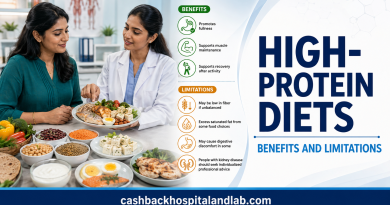
24. Protein Matters
Adequate dietary protein can help:
Preserve muscle
Improve satiety
Support recovery from exercise
Healthy sources can include:
- Dal and legumes
- Beans
- Chickpeas
- Soy/tofu
- Eggs
- Curd/yogurt
- Paneer in appropriate portions
- Fish
- Lean poultry
Protein requirements vary according to age, kidney health and activity level.
25. Fibre Helps
High-fibre foods can improve satiety and metabolic health.
Useful sources include:
Vegetables
Whole fruits
Legumes
Whole grains
Nuts and seeds
Whole fruit is generally preferable to fruit juice because it contains more intact fibre and is usually more filling.
26. Liquid Calories Matter
Sugary drinks can provide substantial calories without producing much fullness.
Examples include:
Soft drinks
Sweetened tea/coffee
Packaged juices
Energy drinks
Sweet lassi
Sugary shakes
Replacing these with water or unsweetened beverages can significantly reduce calorie intake.
27. Fruit Juice vs Whole Fruit
❌ MYTH
“Fruit juice is always a weight-loss drink because it is natural.”
✅ FACT
Juice can contain substantial sugar and is easy to consume quickly.
For most people trying to manage weight:
Whole fruit is generally a better choice.
28. Refined Carbohydrates
Frequent intake of highly refined foods can make calorie control difficult.
Examples include:
- Sweets
- Biscuits
- Cakes
- Pastries
- Refined snack foods
- Sugary breakfast products
You do not need to eliminate carbohydrates.
The goal is to improve:
Quality + portion size + overall dietary pattern.
29. Healthy Fats Still Contain Calories
Nuts, seeds and many plant oils can be nutritious.
But fats provide approximately:
9 kcal per gram
compared with approximately 4 kcal per gram for carbohydrate and protein.
Therefore:
Healthy food can still contribute to excess calories when portions are very large.
30. Portion Size
Weight management often improves when people become aware of:
Portion size.
Helpful strategies include:
- Smaller serving dishes
- Eating slowly
- Avoiding eating directly from large packets
- Serving food once before returning for seconds
- Recognizing hunger and fullness cues
31. Mindful Eating
Distracted eating while:
Watching television
Scrolling on a phone
Working
can make it easier to overeat.
Try to eat meals more deliberately and notice:
- Hunger
- Taste
- Fullness
Slower eating may help the body's satiety signals catch up.
32. Exercise for Weight Management
Physical activity is important even when weight loss is modest.
Exercise improves:
Cardiovascular fitness
Insulin sensitivity
Blood pressure
Mood
Sleep
Muscle strength
Exercise should therefore not be judged only by the number on the weighing scale.
33. How Much Exercise?
For many adults, a useful general target is at least:
150 minutes of moderate-intensity aerobic activity per week
plus:
Muscle-strengthening activity on at least 2 days per week.
People starting from inactivity can begin with much smaller amounts and gradually increase.
34. Walking Works
You do not need a gym membership to improve health.
Brisk walking can:
- Increase energy expenditure
- Improve cardiovascular fitness
- Improve glucose control
- Reduce sedentary time
Consistency is more important than buying expensive exercise equipment.
35. Strength Training Is Important
Weight loss can involve loss of both fat and muscle.
Resistance training helps preserve or increase muscle mass.
Examples include:
Body-weight exercises
Resistance bands
Free weights
Gym machines
Appropriate technique and progression reduce injury risk.
36. Reduce Sitting Time
Even people who exercise can spend much of the day sedentary.
Try:
Short walking breaks
Standing periodically
Taking stairs when appropriate
Walking during phone calls
Moving after meals
Small increases in daily activity can accumulate.
37. Sleep and Weight
Insufficient sleep can influence:
- Hunger
- Appetite
- Food choices
- Insulin sensitivity
- Physical activity
Adults generally benefit from regular, adequate sleep.
Persistent sleep problems should be addressed as part of weight management.
38. Stress and Emotional Eating
Stress can influence eating behaviour.
Some people respond by eating more:
Sweets
Fried foods
Highly palatable snacks
Useful approaches may include:
- Exercise
- Relaxation techniques
- Structured meals
- Adequate sleep
- Psychological support where appropriate
Weight management should address behaviour, not simply provide a food chart.
39. Food Tracking
Short-term food tracking can help identify:
- Portion sizes
- Snacking
- Sugary drinks
- Hidden calories
- Eating patterns
Tracking does not have to continue forever.
Its purpose is awareness—not obsession.
40. Weighing Yourself
Regular weighing can help monitor trends.
Daily body weight naturally fluctuates because of:
- Water
- Salt intake
- Glycogen
- Bowel contents
- Menstrual cycle
Therefore:
Focus on the trend rather than one day's number.
41. Weight-Loss Plateaus Are Normal
Weight loss does not usually occur in a perfectly straight line.
As weight decreases, the body may:
- Require fewer calories
- Increase hunger signals
- Reduce energy expenditure
A plateau does not mean that all previous effort has failed.
It may mean the plan needs adjustment.
42. Why Weight Regain Happens
After weight loss, biological mechanisms can encourage regain.
Appetite can increase while energy expenditure decreases.
This helps explain why:
Long-term weight management requires long-term strategies.
Obesity should be approached more like a chronic condition than a temporary diet project.
43. Weight-Loss Medicines
Prescription medications can be appropriate for selected people when lifestyle intervention alone is insufficient.
Modern treatments can influence:
Appetite
Satiety
Gastric emptying
Metabolic pathways
They should be used as part of a comprehensive treatment plan—not purchased or injected without appropriate medical supervision.
44. GLP-1–Based Medicines
Medicines acting through the GLP-1 pathway and related pathways can produce substantial weight loss in appropriately selected patients.
Examples of treatment classes include:
GLP-1 receptor agonists
Dual incretin-based therapies
These medications may have side effects and contraindications.
They require proper prescribing, monitoring and follow-up.
45. Weight-Loss Injections Are Not Cosmetic Shortcuts
These medicines can be highly effective, but they are medical treatments.
Treatment may involve:
- Long-term use
- Dose adjustment
- Monitoring
- Nutrition planning
- Resistance exercise
- Management of gastrointestinal side effects
Stopping therapy can be followed by weight regain in some people.
46. Bariatric and Metabolic Surgery
For appropriately selected people with severe obesity or obesity-related disease, metabolic/bariatric surgery can be one of the most effective treatments.
Procedures include:
Sleeve gastrectomy
Gastric bypass
Surgery can improve:
- Weight
- Diabetes
- Blood pressure
- Sleep apnoea
- Quality of life
But it requires long-term nutritional and medical follow-up.
47. Crash Diets
Be cautious with diets promising:
“Lose 10 kg in 10 days.”
Extreme diets can lead to:
- Dehydration
- Muscle loss
- Nutrient deficiencies
- Gallstones
- Fatigue
- Weight regain
Fast scale loss is not necessarily fast fat loss.
48. Detox Diets
❌ MYTH
“You need a juice cleanse or detox tea to remove fat and toxins.”
✅ FACT
The body already has sophisticated systems—including the liver and kidneys—for processing and eliminating metabolic waste.
Detox products do not selectively “melt belly fat.”
49. Fat Burners
Many supplements marketed as:
Fat burners
Metabolism boosters
Slimming powders
Herbal weight-loss products
have limited evidence and may contain stimulants or undeclared ingredients.
Some can affect:
- Heart rate
- Blood pressure
- Liver
- Kidneys
Use caution.
50. Ayurveda and Weight Management
Classical Ayurveda discusses Sthaulya (स्थौल्य) and Medoroga in relation to excessive adiposity and metabolic imbalance.
Traditional management emphasizes individualized:
Ahara — diet
Vihara — lifestyle/activity
Behavioural discipline
These concepts can support healthy lifestyle counselling.
However:
Modern obesity, insulin resistance, diabetes, fatty liver and cardiovascular risk should also be evaluated using contemporary clinical methods.
Ayurvedic therapy should complement—not replace—appropriate medical management.
51. Honey and Warm Water
A popular claim is that:
“Honey with warm water melts body fat.”
There is no convincing evidence that this combination independently causes meaningful fat loss.
Honey still contains sugar and calories.
If total calorie intake remains excessive, adding honey does not create weight loss.
52. Green Tea
Green tea can be part of a healthy diet and provides polyphenols.
However:
Green tea alone produces little meaningful weight loss.
Avoid concentrated “fat-burning” extracts without appropriate guidance because high-dose products can have adverse effects.
53. Lemon Water
Lemon water can be a low-calorie alternative to sugary beverages.
That can indirectly help with calorie reduction.
But:
Lemon does not chemically dissolve abdominal fat.
Its benefit is primarily as a beverage choice—not a fat-burning medicine.
54. Apple Cider Vinegar
Apple cider vinegar is frequently promoted for weight loss.
Evidence for substantial long-term weight loss is limited.
Excessive intake can cause:
- Dental erosion
- Gastrointestinal irritation
- Electrolyte problems in some circumstances
It should not replace established weight-management strategies.
55. Spot Reduction Is a Myth
Doing hundreds of abdominal exercises strengthens abdominal muscles.
But:
You cannot selectively burn only belly fat.
Fat loss occurs according to overall energy balance and individual biology.
Exercise the whole body and improve overall metabolic health.
56. Weight Management Myths vs Facts
| MYTH | FACT |
|---|---|
| Obesity is simply lack of willpower | Biology, environment and behaviour all contribute |
| Carbohydrates must be completely eliminated | Quality and quantity matter |
| Skipping meals guarantees weight loss | It can lead to overeating in some people |
| Lemon water burns belly fat | It does not |
| Honey melts fat | Honey still provides calories |
| Detox teas remove body fat | Evidence is lacking |
| Exercise alone guarantees major weight loss | Diet and other factors also matter |
| Weight-loss medicine is always cheating | It can be legitimate medical treatment |
| Bariatric surgery is an easy shortcut | It is a serious evidence-based treatment requiring follow-up |
| Everyone needs to reach a perfect BMI | Meaningful health gains occur before that point |
57. What Tests May Be Useful?
Depending on risk factors and symptoms, evaluation may include:
Blood pressure
HbA1c or fasting glucose
Lipid profile
Liver tests
Creatinine/eGFR
TSH when clinically indicated
Other tests should be selected according to the individual rather than automatically ordered.
58. Set Better Goals
Instead of only:
“I must lose 20 kg,”
consider goals such as:
Walk 30 minutes most days
Strength train twice weekly
Stop sugary drinks
Eat vegetables with lunch and dinner
Improve sleep routine
Reduce waist circumference
Improve HbA1c
Improve blood pressure
These goals are measurable and directly related to health.
59. A Simple Daily Weight-Management Framework
MORNING
Start with a balanced breakfast if it suits your eating pattern and include protein.
DAYTIME
Avoid long periods of sitting and choose water instead of sugary beverages.
MEALS
Use vegetables, protein and controlled portions of quality carbohydrates.
EVENING
Walk, exercise or remain physically active.
NIGHT
Avoid habitual late-night snacking and prioritize adequate sleep.
The exact schedule can be individualized.
60. When Should You Seek Professional Help?
Consider medical assessment if:
Weight is increasing rapidly without explanation
You have diabetes or prediabetes
Blood pressure is high
You have significant fatty liver
You have symptoms of sleep apnoea
Joint pain limits exercise
Previous weight-loss attempts repeatedly fail
You are considering weight-loss medication
You are considering bariatric surgery
Effective treatment can involve a physician, dietitian, exercise professional and behavioural-health support.
61. When Weight Loss Is Unintentional
Not all weight loss is healthy.
Unexplained weight loss without trying can occur with:
- Diabetes
- Thyroid disease
- Gastrointestinal disorders
- Chronic infection
- Cancer
- Other illnesses
Unintentional significant weight loss deserves medical evaluation.
62. The Best Weight-Loss Plan
The “best” diet is generally not the one producing the fastest first-week result.
It is one that:
Provides adequate nutrition
Creates a sustainable calorie deficit
Contains enough protein and fibre
Fits cultural food preferences
Can be maintained long term
Supports metabolic health
There is no single perfect diet for everyone.
The Bottom Line
Healthy weight management is built on several pillars:
🥗 Nutritious, portion-aware eating
🚶 Regular physical activity
🏋️ Strength training
😴 Adequate sleep
🧠 Behaviour and stress management
📏 Monitoring weight and waist trends
🩺 Appropriate medical treatment when needed
For people with obesity:
Even modest, sustained weight loss can produce meaningful health benefits.
Do not judge success only by the scale.
Improved:
Blood pressure
Blood sugar
Cholesterol
Liver health
Fitness
Sleep
Mobility
Quality of life
are equally important outcomes.
Conclusion
Obesity is not solved by a miracle drink, detox tea, starvation diet or seven-day challenge.
It is best managed through a long-term, individualized strategy that addresses nutrition, physical activity, sleep, behaviour and underlying medical risk.
Some people can achieve their goals with lifestyle intervention alone.
Others may appropriately benefit from:
Structured nutritional therapy
Behavioural treatment
Prescription weight-management medication
Metabolic/bariatric surgery
The goal is not simply to become lighter.
The goal is to become metabolically healthier, physically stronger and able to maintain those improvements for the long term.
Disclaimer: This article is for general educational purposes and does not replace individualized medical advice. Weight-management strategies, medications and surgical treatments should be selected according to individual health status and professional assessment.
cashbackhospitalandlab.com